
Roof Inspection Horry County, SC
Professional roof inspection services in Horry County, SC for residential and commercial properties.
Local Roof Inspection Expertise
In Horry County, SC, roof inspections catch damage early—from salt exposure and storm debris to hidden leaks. Our certified inspectors identify problems before they become costly repairs, protecting your home and maintaining insurance eligibility.
How We Work
Our inspection process is straightforward. We examine every component of your roof, document findings clearly, and give you actionable guidance—no pressure, just honest assessment.
Assess Your Roof's Condition
We start from the ground and work systematically through your entire roofing system. Our inspectors look for shingle damage, flashing failures, gutter blockages, and structural concerns that may not be obvious from below.
Horry County's coastal climate—salt spray, humidity, and frequent storms—accelerates wear. We're trained to spot the specific damage patterns common to our region before they compromise your roof's integrity.
We document every finding with photos and clear notes so you understand exactly what you're looking at.
Review Interior & Drainage
Water damage often shows up in the attic before it appears in your ceiling. We check for soft decking, moisture stains, mold, and ventilation issues—problems that develop quickly in humid climates.
Gutters and downspouts are inspected for blockages, rust, and proper slope. Poor drainage can push water under shingles and accelerate foundation problems—especially in properties near the intracoastal areas of Horry County.
Deliver a Clear Report
You'll receive a detailed inspection report with photos, condition ratings, and straightforward recommendations. We explain what we found, what matters most, and what can wait.
Most roof inspections identify maintenance items rather than full replacements—we focus on extending your roof's life and preventing damage.
Our Services
We specialize in comprehensive roof inspections for residential and commercial properties across Horry County, SC.
Residential Roof Inspections
Homeowners in Horry County benefit from annual inspections that catch wind damage, salt corrosion, and moisture problems early. Whether you're in beachfront communities or inland areas, we understand the specific challenges your roof faces.
- Pre-hurricane season checks (late spring)
- Post-storm damage assessment
- Insurance claim documentation
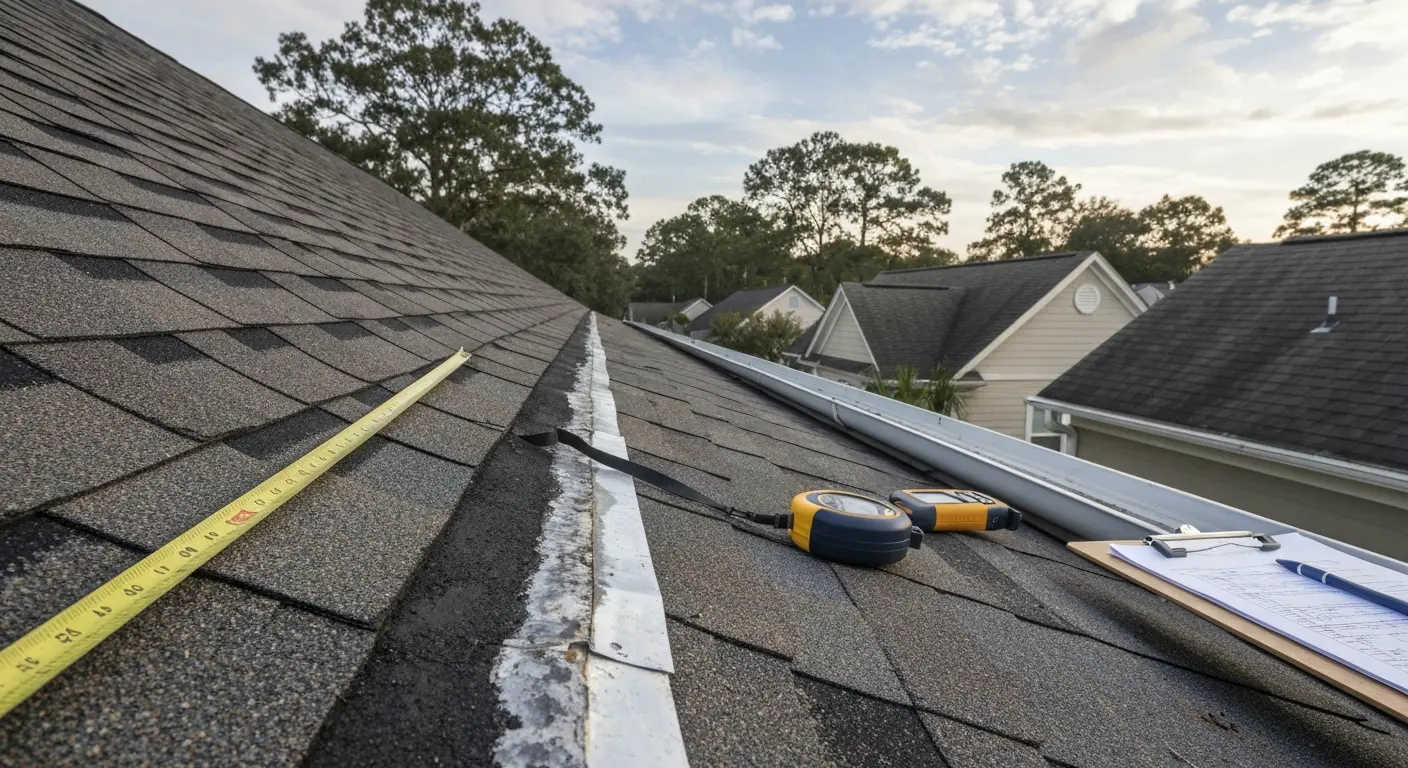
Residential inspection in Horry County identifying shingle damage and flashing issues.
Commercial & Multi-Unit Inspections
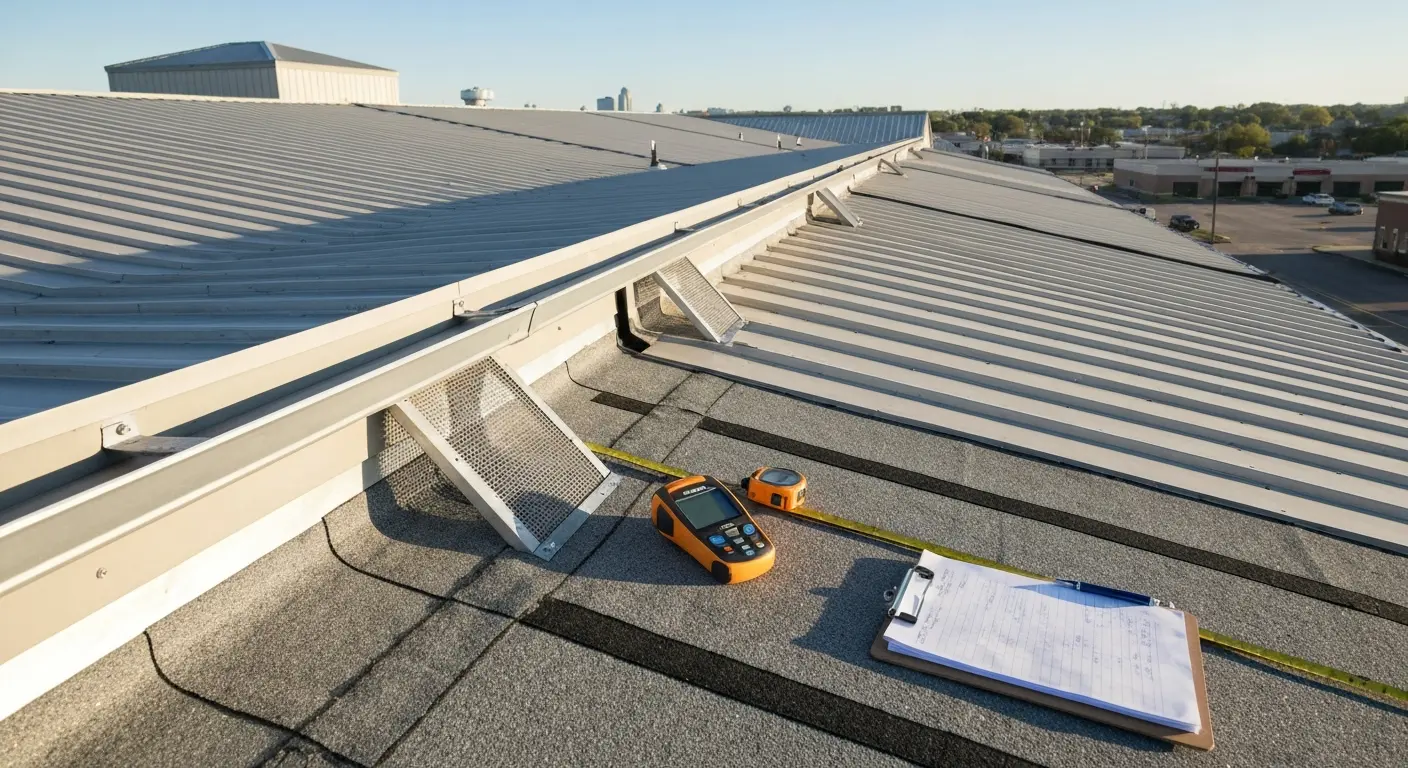
Commercial property assessment covering drainage systems and structural integrity.
Flat roofs and complex commercial systems require specialized inspection. We evaluate drainage, pooling risks, membrane condition, and HVAC penetrations to keep your property protected and code-compliant.
- Detailed system documentation
- Moisture detection & analysis
- Maintenance planning
Storm Damage Assessment
After severe weather—tropical storms, high winds, or hail—prompt inspection protects your insurance claim. We document damage thoroughly with photos and detailed reports that insurance companies and contractors understand.
Many homeowners in Horry County delay inspections after storms, allowing water damage to spread. We respond quickly to assess hidden problems before they escalate.
Why It Matters
Regular inspections are your best defense against water damage, costly repairs, and insurance claims denial.
Prevent Costly Damage
A small leak caught during inspection costs hundreds to fix. Left undetected, it becomes mold, rot, and interior damage costing thousands. Horry County's humid climate speeds this deterioration.
Early detection identifies maintenance needs—cleaning gutters, resealing flashing, replacing missing shingles—before structural failure occurs. Proactive inspections help extend roof life, maintain shingle warranty conditions, qualify homeowners for insurance discounts, and catch problems early.
Maintain Insurance Coverage
Insurance companies in coastal areas expect documentation of roof condition. Recent inspection reports prove you maintain your property, protecting claim eligibility and potentially lowering premiums.
After storm damage, a detailed inspection report from a certified inspector strengthens your claim and ensures fair settlement from your insurance company.
Horry County's coastal exposure and storm frequency make regular inspections essential for protecting your property value and maintaining insurance eligibility.
Serving Horry County, SC and Surrounding Areas
We serve residential and commercial properties throughout Horry County, from coastal communities to inland neighborhoods.
Our team understands Horry County's unique climate challenges—salt spray, high humidity, and hurricane exposure. We're familiar with local building codes, insurance requirements, and the specific roofing issues that develop in our region.
The combination of Atlantic storms, salty moisture, high UV exposure, and rapid temperature swings can accelerate wear on shingles, metal, underlayments, fasteners, sealants, and flashing details. We catch these problems before they require expensive repairs.
What a Professional Roof Inspection Includes
Here's what our certified inspectors evaluate during a thorough assessment.
Shingle & Membrane Assessment
We check for missing, cracked, or curling shingles; granule loss; algae stains; and membrane deterioration on flat roofs.
Flashing & Penetration Seals
Roof-to-wall flashings, chimneys, vents, and skylights are inspected for rust, cracks, and failed sealants that allow water infiltration.
Gutters & Drainage
We verify gutters are clean, properly sloped, and secure. Downspouts are checked for blockages that trap water against your home.
Attic & Interior Moisture
Attic inspection reveals soft decking, moisture stains, mold growth, and ventilation problems that indicate water intrusion.
Structural Integrity
We look for sagging roof planes, soft spots, rust on fasteners, and signs of structural compromise that affect safety.
Salt Corrosion & Weather Damage
Sun exposure, salt crystals, and wind abrasion accelerate granule shedding. Saltwater particles carried from the coast settle on rooftops year-round. Over time, this accelerates corrosion on metal fasteners, flashing, drip edges, and chimneys.
You'll always know what's happening next—and when.
When Should You Schedule a Roof Inspection?
Experts recommend scheduling a roof inspection at least once a year, with additional checks following severe weather events such as hurricanes or hailstorms. In Horry County, a spring inspection prepares your roof for the June–November hurricane season.
Schedule an inspection immediately if you notice missing shingles, water stains on ceilings, sagging roof sections, or visible leaks. Post-storm assessment protects your insurance claim and prevents hidden water damage from spreading.
Frequently Asked Questions
Common questions about roof inspection in Horry County, SC.
What exactly does a roof inspection include?
A professional inspection covers shingle and membrane condition, flashing and seals, gutters and drainage, attic moisture, structural integrity, and coastal-specific damage like salt corrosion. We provide photos and a written report with clear recommendations.
How often should I have my roof inspected?
At least once annually, plus after any major storm with high winds or hail. In Horry County's coastal climate, spring inspections before hurricane season and post-storm assessments are recommended to catch damage early.
Will an inspection identify whether my roof needs replacement?
Not always. Most inspections reveal maintenance items—cleaning gutters, resealing flashing, replacing a few shingles—rather than full replacement. We'll be clear about whether repair or replacement is the right choice.
Can an inspection help with an insurance claim?
Yes. Our detailed inspection reports with photos and clear documentation are commonly used by insurance companies and contractors to process claims fairly. We help you understand what was damaged and what needs repair.
What's the difference between a basic inspection and a detailed one?
A standard inspection covers all major components visually. A detailed inspection may include moisture-detection technology, drone photography, or thermal imaging to identify hidden problems before they cause significant damage.
How should I prepare for a roof inspection?
Clear gutters of debris, ensure attic access is unobstructed, and note any specific concerns like recent leaks or missing shingles. Having previous roof documentation (warranty, installation date) on hand is helpful.
DISCOVER WHAT OUR CUSTOMERS HAVE TO SAY ABOUT US
REVIEWS
proudly serving these areas
Horry County, SC
Myrtle Beach, SC
Georgetown County, SC
Georgetown, SC
Pawleys Island, SC
Murrells Inlet, SC
Little River, SC
Conway, SC
READY TO take the next step?
get a free quote TODAY!
QUICK LINKS
our services
service areas
operating HOURS
Mon: 8:00 am - 4:30 pm
Tue: 8:00 am - 4:30 pm
Wed: 8:00 am - 4:30 pm
Thu: 8:00 am - 4:30 pm
Fri: 8:00 am - 4:30 pm
Sat: Closed - Closed
Sun: Closed - Closed